Producer: Kirstyn Lindsay
Management of Dingoes on Country
For many of us the connection to Dingos is part of our DNA and to me they represent loyalty and protection. There seems to be a distinct element of cultural erasure with mainstream attitudes towards Dingoes and a mindset that only pure Dingoes live on K’gari (Fraser Island) and not on the mainland. The term ‘Wild Dog’ is being used to categorise their existence.
In some states and territories in Australia, Dingoes can be Dingoes if they stay in National Parks and as soon as they leave the boundaries of that park they become ‘Wild Dogs’. In this interview for Koori Radio News, Dingo Culture founder Sonya Grant says the lives of Dingoes become ‘fair game’ giving farmers, councils and other property owners the license to kill these beautiful animals.
The New South Wales state government have launched a parliamentary inquiry into the management of dingoes across the states National Parks.
Defend the Wild advocacy group report that Dingoes are the only native mammals specifically exempt from protection under the Biodiversity Conservation Act, allowing them to be trapped, poisoned and shot across New South Wales National Parks. https://www.defendthewild.org/submission-guide-for-cultural-custodians
In NSW, pure Dingoes are not protected as designated wildlife; they are excluded from
protection under Schedule 5 of the Biodiversity Conservation Act 2016. (NSW Threatened Species Scientific Committee Publication date: 21/08/2020)
Dingo Culture
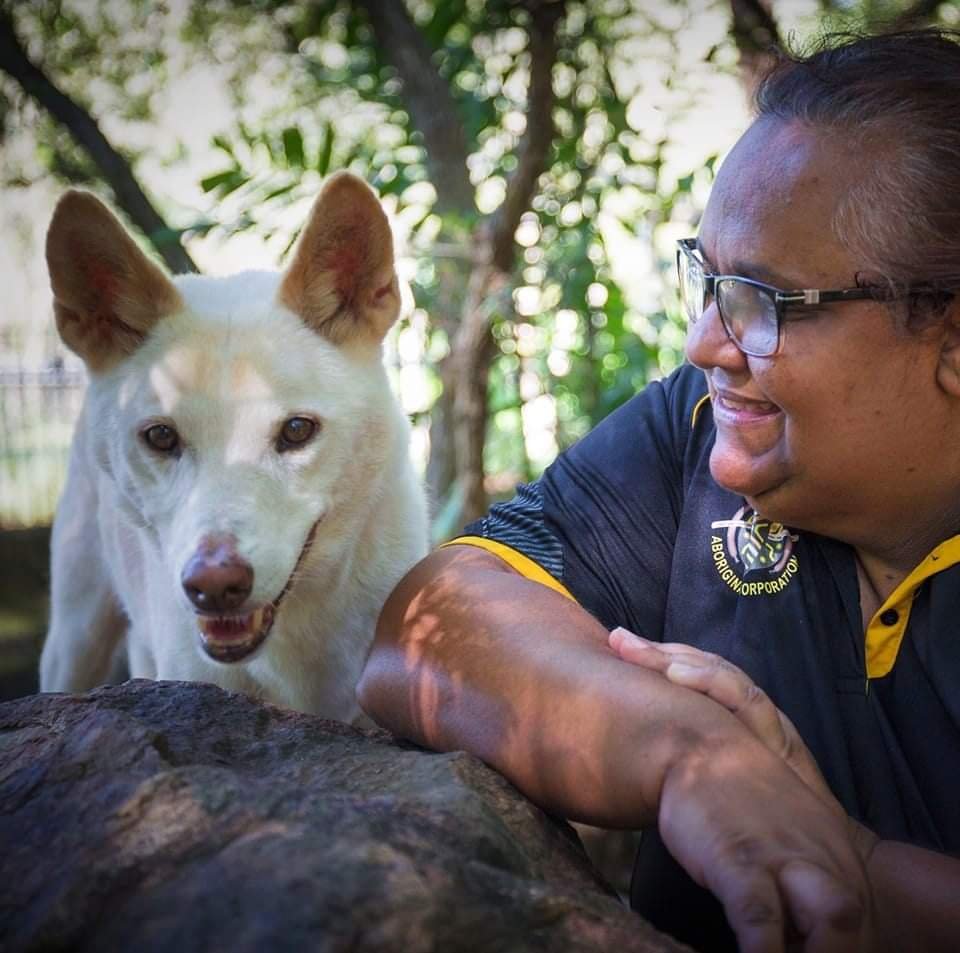
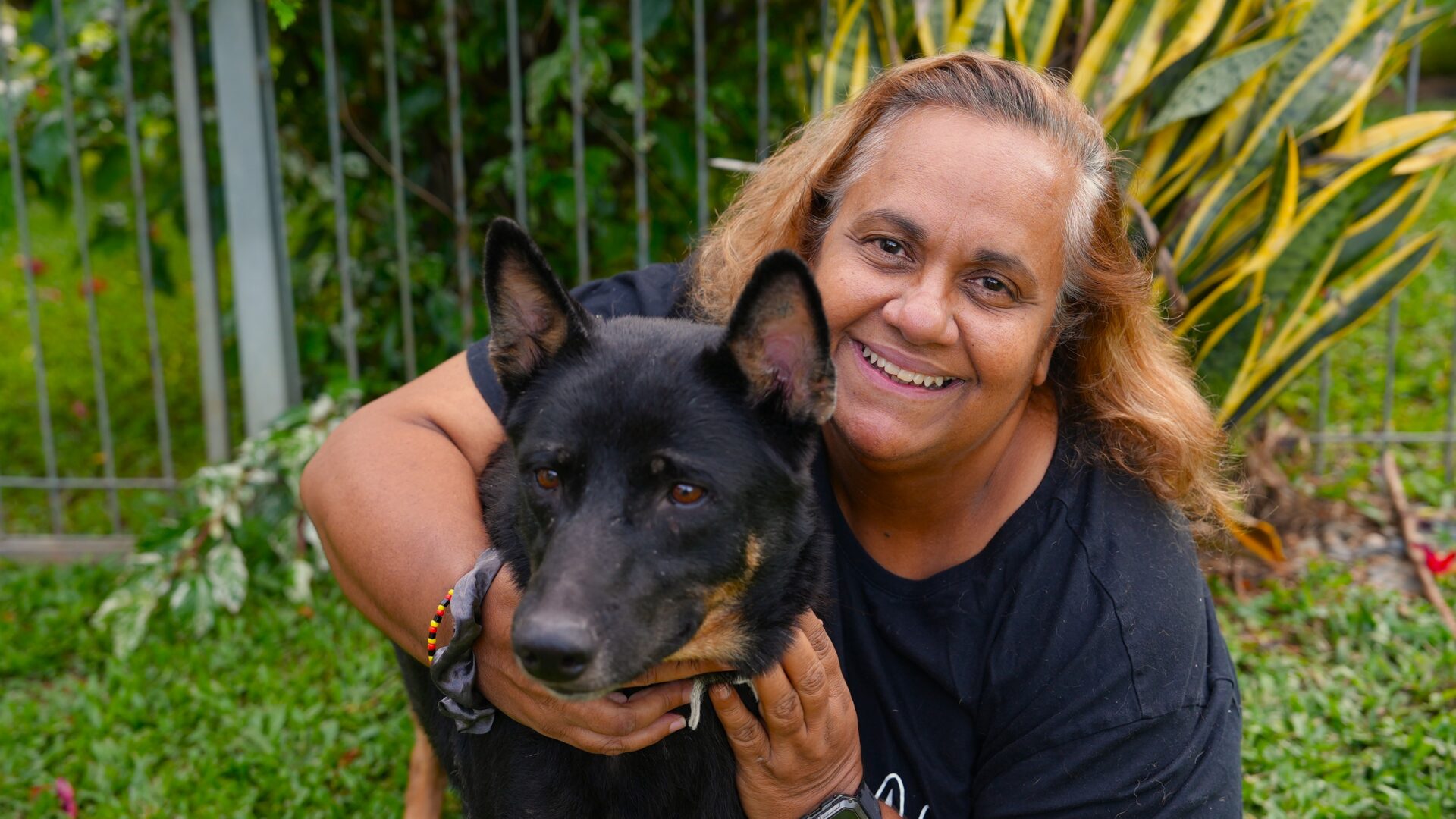
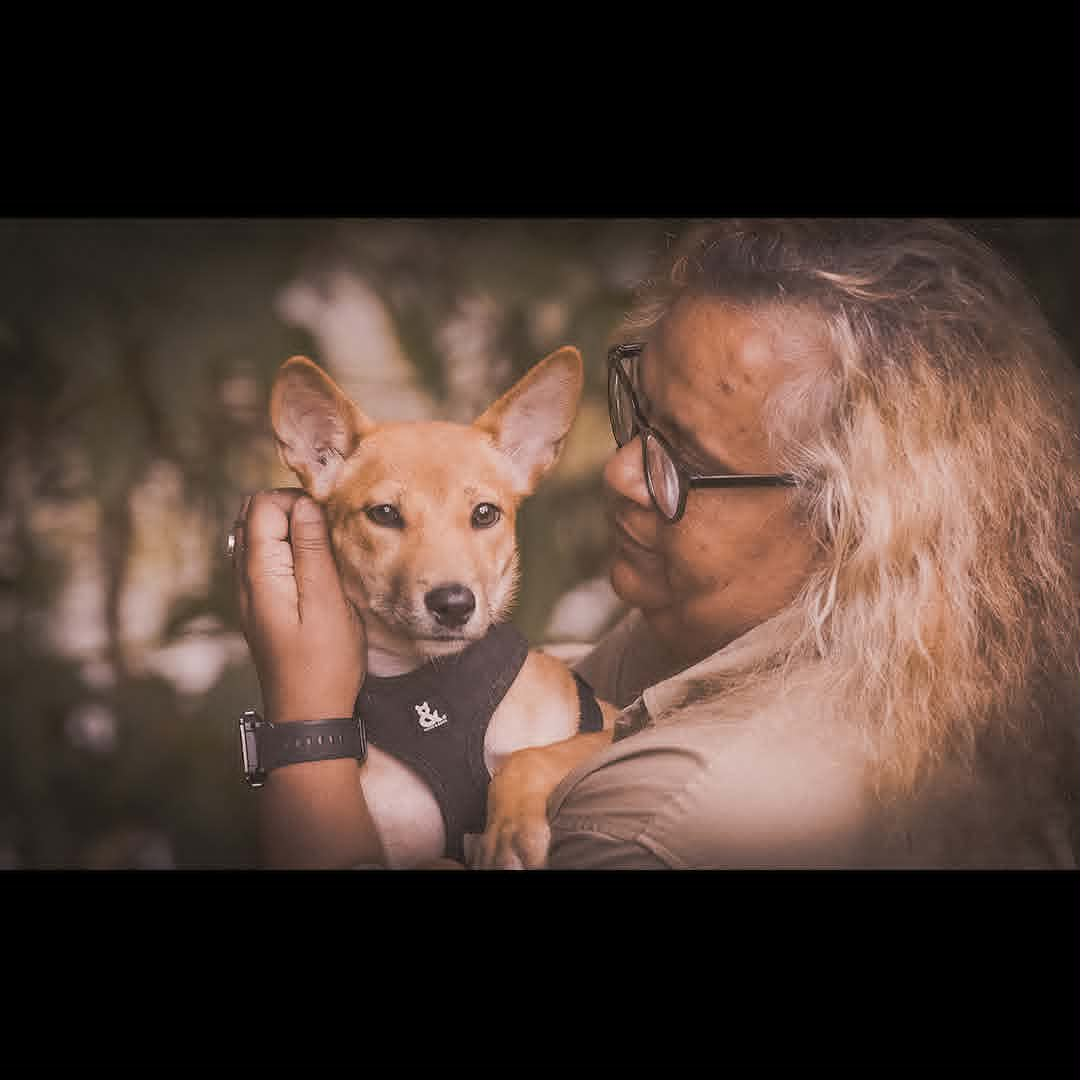
Jirrbal Rainforest woman Sonya Grant from Girringun Aboriginal Corporation is the National First Nations Dingo Coordinator and founder of Dingo advocacy group Dingo Culture.
Sonya joins Koori Radio News to share her family lore and responsibility in caring for Dingoes. She says the myth needs to be debunked about the use of the term ‘ Wild Dog’ placed on the Dingo. She says this is how Dingoes are seen through a western lens and how are they profiled, a term she didn’t hear being used growing up.
In 2024, her calling to move into this role came after organising the Inaugural First Nations Dingo Forum held in Gimuy (Cairns). First Nations Dingo custodian groups came together to talk about their work on country, sharing similar experiences of not being asked to join the conversation on any cultural and legislative decisions around protections of Dingoes on country.
Sonya says the governments aren’t using the science either and the evidence is there in the findings of Dr Kylie Cairns, a population geneticist specialising in conservation genetics. Dr Cairns studied the population genetics and biogeography of Dingoes (Canis dingo) using a wide range of genetic markers and shows that most dogs tested have up 90 percent Dingo ancestry with many mating with other dogs up to five generations ago.
You can read more on her findings here.
Sonya Grant says regardless of how Dingoes are classified, their role as an apex predator maintains the balance in the natural environment controlling the order of habitat and biodiversity. She gives us an example picturing what it would be like if there were no Wolves in the Grand Canyon or Lions in Africa.
Sonya says if the government wants to be serious about Reconciliation and Closing the Gap then they need to tell the truth and use the findings from current scientific research and work with Dingo custodian groups to ensure the safety of Dingoes and the community.
Family lore and responsibility
“The eyes tell a story and their love touch your spirit and soul”.
Sonya and her family dedicate their life to protecting Dingoes and I had to ask her why? She beautifully shares her family connection. If you want to learn more, listen to the interview about her sacred connection and support for the bigger picture on the cultural significance of the Rainbow Serpent and the Dingo songlines that are a universal lore shared by many family groups. It’s also good to remember that each language group and dialect have their own traditional name for the Dingo